Why Premium NAD+ Supplements Are Gaining Attention for Cellular Health
For years, the conversation around healthy aging centered on antioxidants, vitamins, and the occasional superfood. But over the last decade, a molecule called NAD+ has moved from biochemistry textbooks into the wellness spotlight. It is not a trend or a quick fix. NAD+ is fundamental to how every cell in your body generates energy, repairs DNA, and regulates inflammation. The catch is that our levels of this molecule naturally fall as we age, and that drop is linked to many of the changes we associate with getting older. That is why the market for premium NAD+ supplements has grown so quickly. The question is whether they live up to the promise.
What NAD+ Actually Does in the Body
NAD+ stands for nicotinamide adenine dinucleotide. It is a coenzyme found in every living cell and is essential for life. Without it, your cells could not convert food into energy. It acts like a shuttle, carrying electrons from one reaction to another in the mitochondria, the power plants of the cell. This process is what drives cellular energy, and it influences everything from muscle function to mental clarity.
But NAD+ does more than energy production. It also activates enzymes called sirtuins and PARPs. Sirtuins are heavily involved in regulating how cells age, stress responses, and even metabolic health. PARPs help repair DNA damage that accumulates from sun exposure, pollution, and normal metabolic processes. Without enough NAD+, these repair systems slow down. There is also CD38, an enzyme that consumes NAD+ during immune signaling. Chronic inflammation and immune activation can drain NAD+ reserves further, creating a cycle that speeds up the aging process.
Why NAD+ Declines and What That Means
Research shows that NAD+ levels can drop by as much as 50 percent between the ages of 20 and 60. Part of this is simply because we make less of it as we age. Another part is increased consumption by the enzymes that depend on it. When DNA damage piles up, PARPs use more NAD+. When the immune system stays active, CD38 uses more NAD+. The result is a net loss that leaves cells less able to produce energy and defend themselves.
This decline does not hit all tissues at the same pace, but it is most noticeable in the brain, muscles, skin, and liver. People often report lower energy, slower recovery from exercise, brain fog, and changes in skin texture. While these changes have many causes, the role of NAD+ depletion is well documented. That is why restoring NAD+ has become a focus for researchers and supplement developers alike.
How Supplement Companies Approach NAD+ Restoration
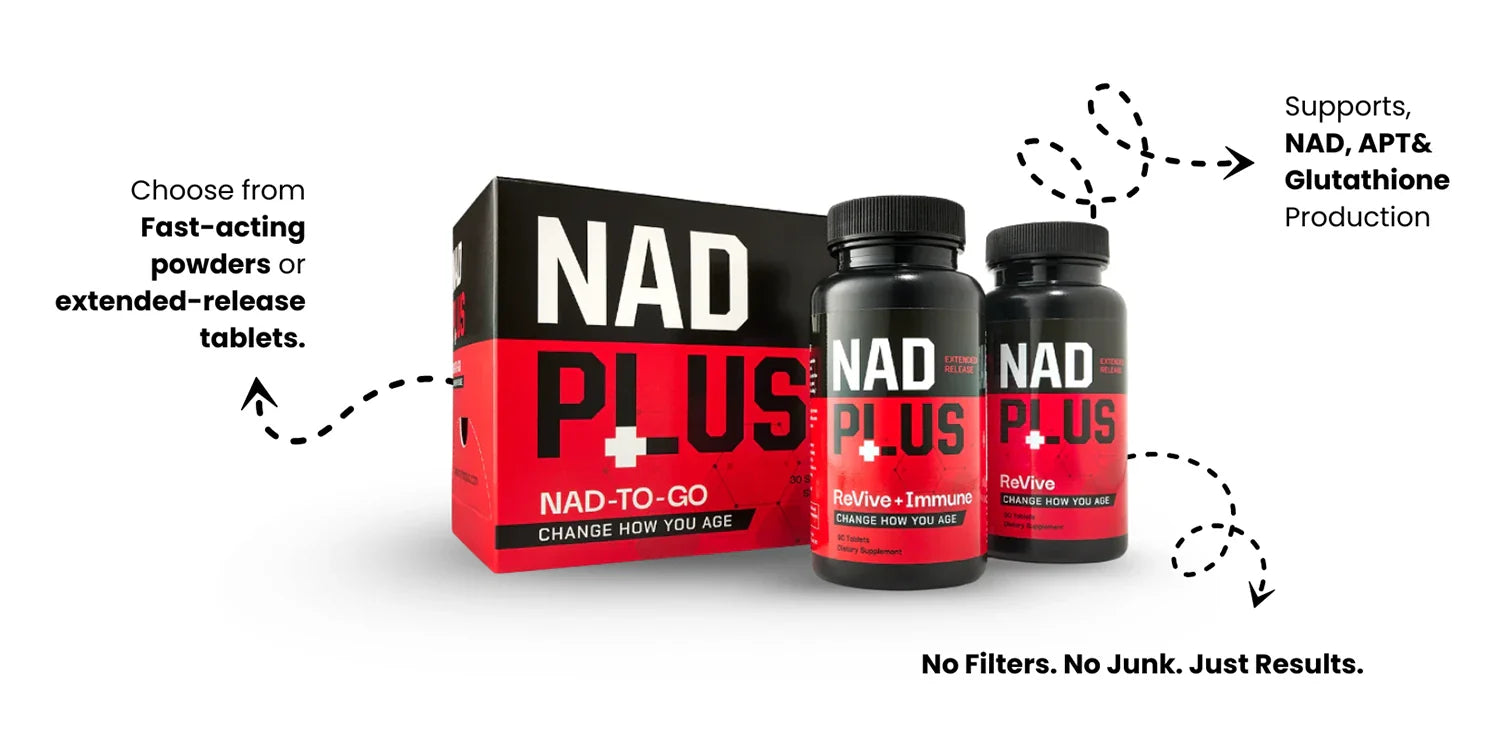
You cannot take NAD+ directly in a pill because the molecule is too large and unstable to survive digestion. Instead, supplements provide NAD+ precursors, which are smaller compounds that the body can convert into NAD+. The most studied precursors are nicotinamide riboside (NR) and nicotinamide mononucleotide (NMN). Both are naturally occurring forms of vitamin B3, but they are not the same as niacin or niacinamide, which are the common B3 vitamins found in most multivitamins.
Niacin and niacinamide can also raise NAD+ levels, but they come with trade-offs. Niacin often causes a flushing sensation that many people find uncomfortable. Niacinamide does not cause flushing, but it may inhibit sirtuins at high doses, which is the opposite of what you want. This is where newer delivery technologies come into play. One such approach is RiaGev technology, which is designed to improve how the body absorbs and uses NAD+ precursors. RiaGev technology combines a specific form of nicotinamide riboside with a glycan carrier to enhance stability and uptake. The idea is to get more NAD+ into cells without the side effects or inefficiency of older forms.
What to Look for in Premium NAD+ Supplements
Not all NAD+ boosters are created equal. A cheap powder with niacinamide will technically raise NAD+ levels, but it may not be the best choice for long-term use. Premium NAD+ supplements typically use NR or NMN, often combined with a delivery technology like RiaGev to improve bioavailability. They also avoid unnecessary fillers and are tested for purity.
Dosage matters too. Studies on NR and NMN use doses ranging from 100 mg to 500 mg per day, but individual responses vary. Some people notice benefits at lower doses, while others need more. It is also important to consider timing. Many experts recommend taking NAD+ precursors in the morning because NAD+ follows a circadian rhythm and levels naturally peak earlier in the day.
One thing to keep in mind is that NAD+ metabolism is complex. Raising levels is only part of the equation. The body also needs adequate methyl groups, which come from nutrients like folate, B12, and betaine, to recycle NAD+ and prevent buildup of toxic byproducts. Some high-quality supplements include these cofactors, but many do not. This is a detail that separates a thoughtful formulation from a basic one.
Realistic Expectations and the Evidence So Far
Human trials on NAD+ precursors are still relatively young, but the results are promising. Studies on NR show improvements in muscle function, insulin sensitivity, and markers of aging. NMN has shown benefits for cardiovascular health, cognitive function, and exercise capacity in preliminary human trials. Animal studies are even more dramatic, but we have to be careful not to overextrapolate. What works in mice does not always translate directly to humans.
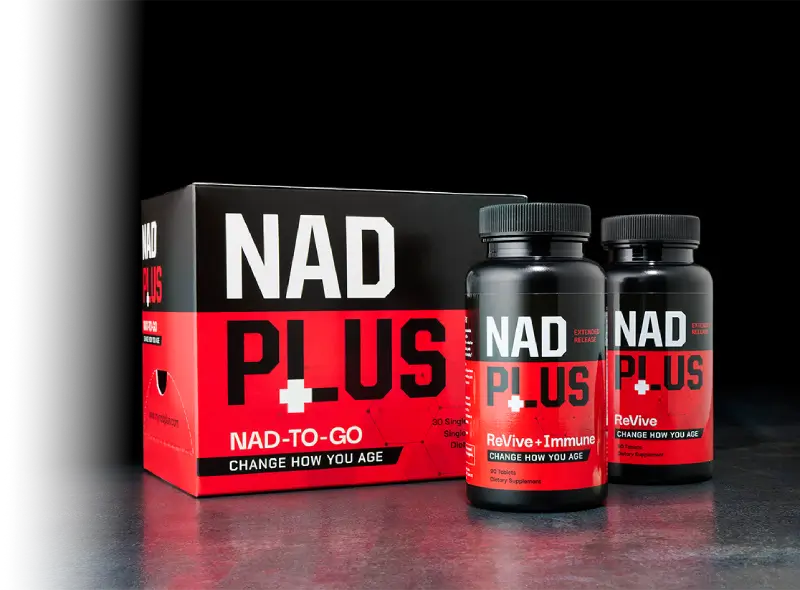
It is also worth noting that NAD+ supplementation is not a magic bullet. It works best as part of a broader approach that includes regular exercise, good sleep, a nutrient-dense diet, and stress management. Exercise itself raises NAD+ levels by activating enzymes that boost its production. Combining lifestyle habits with premium NAD+ supplements may amplify the effects, but taking a pill while ignoring the basics will not give you the same results.
Who Might Benefit Most
People in their forties and older are the most obvious candidates because that is when NAD+ decline starts to accelerate. But younger people with high physical demands, such as athletes or those recovering from illness, may also find value. Some people use NAD+ precursors for immune support, especially during times of stress or after illness. The connection between CD38 and immune function suggests that maintaining NAD+ levels could help the immune system respond more efficiently without burning through reserves.
There is also interest in NAD+ for brain health. Sirtuins and PARPs are active in neurons, and raising NAD+ levels may support mental clarity and memory. A few studies have shown improvements in cognitive performance after NR or NMN supplementation, though more research is needed.
Practical Considerations and Potential Downsides
NAD+ supplements are generally well tolerated, but some people report mild side effects like nausea, headache, or fatigue when starting. These usually resolve within a few days. The risk of overdoing it is low because the body has mechanisms to excrete excess B3 vitamins. Still, it is smart to start with a lower dose and increase gradually.
Cost is another factor. Premium NAD+ supplements are more expensive than standard B3 vitamins, sometimes significantly. The price reflects the quality of the raw ingredients, the delivery technology, and third-party testing. If you are on a tight budget, a good strategy is to focus on a high-quality NR or NMN product with a proven delivery system rather than the cheapest option.
Final Thoughts on Choosing a Product
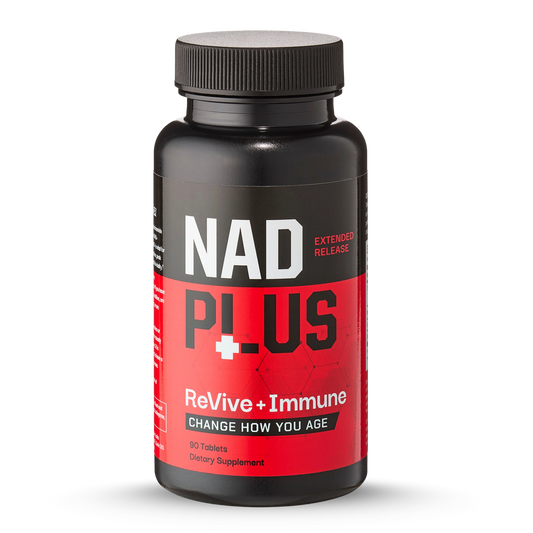
The supplement industry is full of hype, and NAD+ is no exception. But the underlying science is solid. The real challenge is finding a product that actually delivers what it promises. That means looking at the form of the precursor, the technology used to improve absorption, and the company's transparency about testing. Premium NAD+ supplements that use RiaGev technology or similar innovations are worth considering because they address the bioavailability problem that plagues older formulations.
At the end of the day, NAD+ is not a cure-all. It is one piece of a larger puzzle. But for those who want to support mitochondrial health, maintain healthy aging, and keep their cells running efficiently, it is a piece that deserves attention. Choosing wisely and combining supplementation with a healthy lifestyle gives you the best shot at seeing real benefits.